In aircraft maintenance, not every defect is visible on the surface. Some structural issues may remain hidden inside components, bonded assemblies or layered materials, where visual inspection alone is not sufficient. This is where radiographic testing plays an important role.
Aero Technic BG provides X-ray inspection as part of its non-destructive testing capabilities, supporting the detection of internal discontinuities, cracks, hidden defects and moisture ingress in aircraft structures and components. The capability is performed in compliance with the applicable regulatory requirements and under the necessary authorization framework for industrial radiography and radiation protection.
Why X-ray inspection matters in aircraft maintenance
Radiographic testing, also known as RT, allows maintenance specialists to inspect the internal condition of materials without damaging the part being examined. By using X-ray technology, the inspection can reveal defects that may not be accessible through external or visual methods.
This is especially important in aviation, where structural integrity, safety and traceability are essential. X-ray inspection can support the assessment of aircraft structures, components and bonded materials where internal flaws may affect performance, reliability or airworthiness.
Typical findings that can be supported through X-ray inspection include:
- Internal cracks and discontinuities
- Hidden structural defects
- Internal flaws in metallic parts
- Moisture or water ingress
- Defects in honeycomb-type bonded structures
Modern equipment for reliable inspection
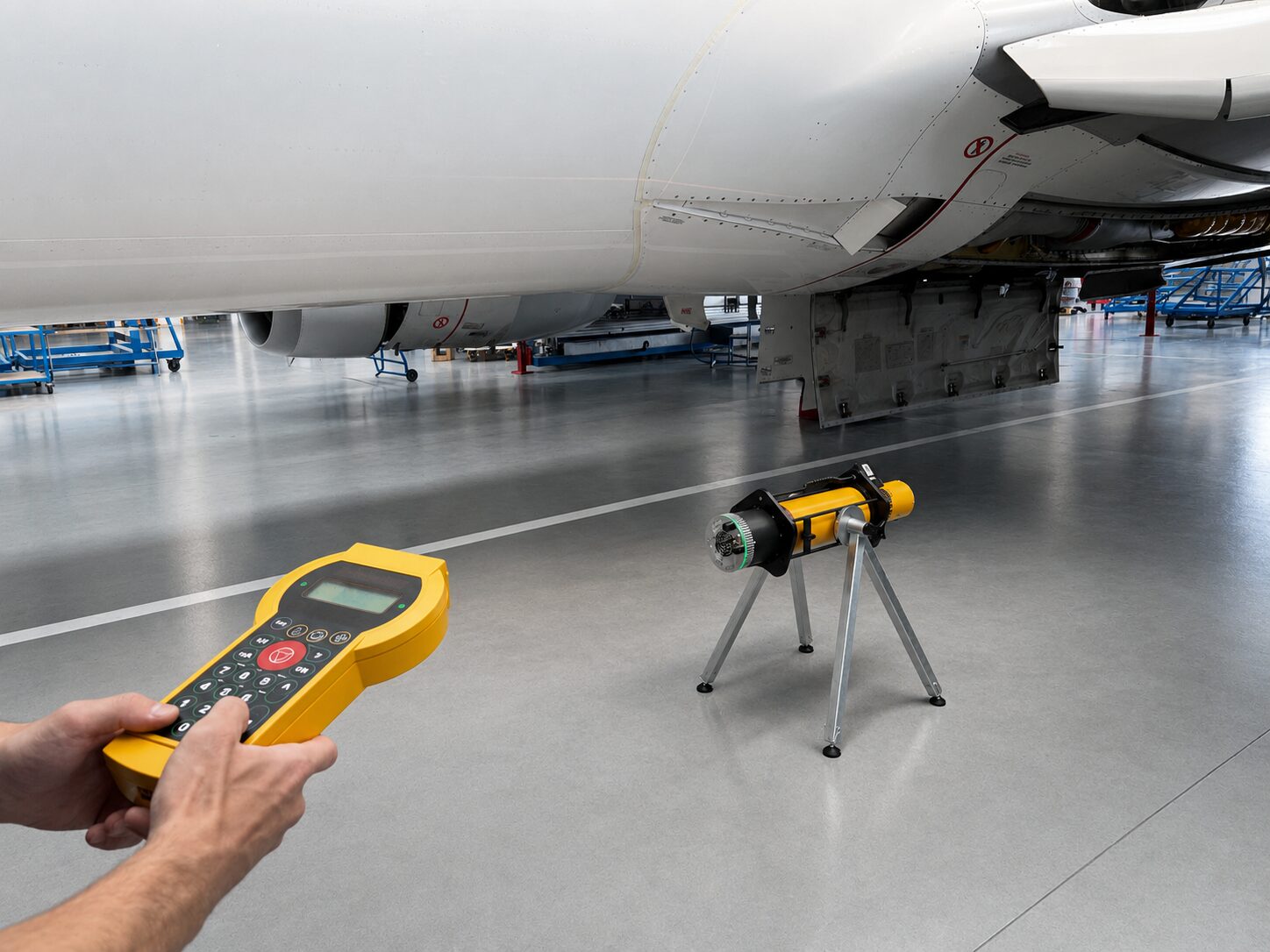
Aero Technic BG has recently expanded its NDT capability with a modern constant-potential X-ray flaw detector, suitable for the inspection of significantly thick materials, including aluminium structures of up to 80 mm.
The equipment is remotely controlled and designed to support reliable operation in different working environments. This allows the NDT team to perform inspections with precision while maintaining strict control over safety conditions and operational procedures.
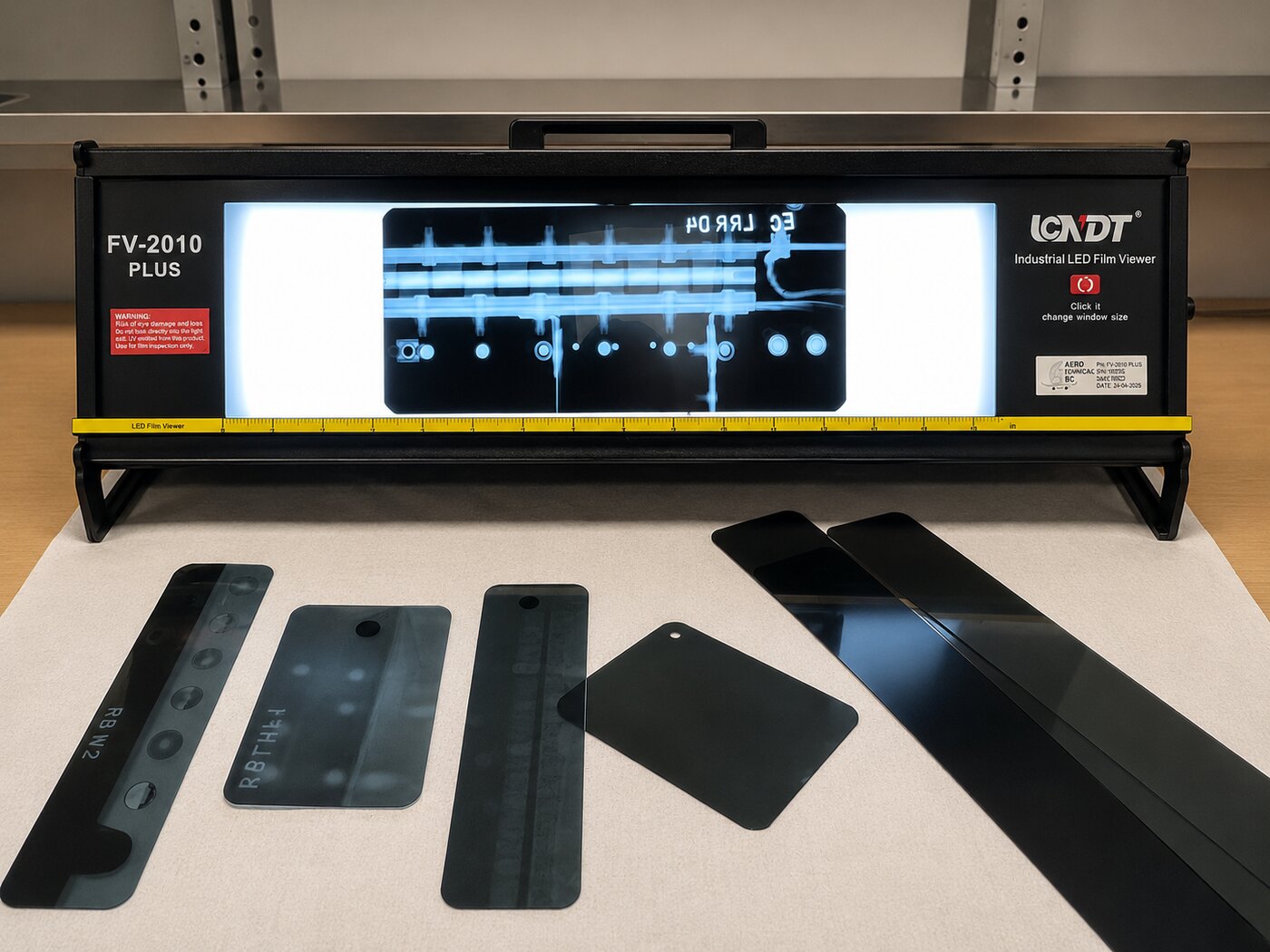
The new capability is particularly valuable for the inspection of aircraft structures where internal damage, bonding issues or moisture penetration may not be visible from the outside. In modern aircraft construction, honeycomb-type bonded structures are widely used, and the ability to detect water ingress or hidden internal defects is essential for accurate technical evaluation.
Controlled process and qualified personnel
X-ray inspection is a highly regulated activity. At Aero Technic BG, radiographic testing is carried out under a licensed radiation protection and radiographic control structure, with qualified personnel authorized to work with X-ray equipment.
All inspections are performed within controlled areas established in accordance with radiation safety requirements. This ensures safe working conditions for personnel, surrounding operations and the inspected aircraft or component.
The process combines technical expertise, regulatory compliance and strict documentation standards — all of which are essential in an EASA Part-145 maintenance environment.
Strengthening Aero Technic BG's NDT services
The expansion of Aero Technic BG's X-ray inspection capability strengthens the company's overall non-destructive testing services and supports a more complete technical evaluation of aircraft structures and components.
By adding advanced radiographic inspection to its NDT portfolio, Aero Technic BG continues to invest in specialized capabilities that improve defect detection, support maintenance decision-making and contribute to safe, reliable and compliant aircraft maintenance operations.